Updated October 2026. The best coin collecting tips are simple: handle coins by the edge and never clean them, store them in inert holders, catalog every purchase, buy in soft markets, follow a theme, and have an independent expert check important pieces.
Many people start collecting coins after discovering a strange coin in their old jacket's pocket, receiving a collection of coins, visiting a pawn shop, or learning a few interesting facts about coin history that sparked interest in buying some. On the other hand, some people start collecting coins to accumulate a wealth of precious metals or limited editions with high market value (later, they can use them as financial bedrock during bad times). To make your collection journey memorable, we are sharing some coin collecting tips in this article.
Best Coin Collecting Tips
Coin lovers are constantly on the lookout for techniques to grow their collections. Everyone could benefit from some fresh approaches or ideas for their coin collection, whether they are seasoned collectors trying to complete a set or beginners who have just started.
Use a Down Market as an Opportunity to Purchase
You should purchase coins when the market is weak, not when prices are rising quickly. When it comes to the rare coin market, the concept of ‘buy low, sell high’ is quite relevant. You can get beautiful coins at 20–50% discounts off previous market highs if you properly time your purchases. Coin price cycles have a proven history. Surprisingly, both common issues and extremely rare coins often fall under this category.
Keep a Collection Catalog
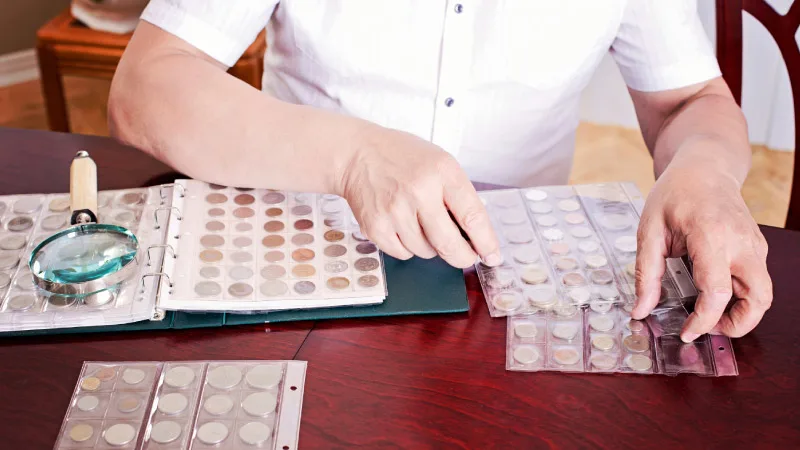
You must catalog your coin collection if you haven't already. The act of cataloging maintains your collection organized. When you pass away and your heirs discover your collection, this will continue the legacy with the historical brief. A complete catalog includes more than just a description of the coins. Your catalog should ideally have all the details required for a safety inspection. A complete coin catalog should feature the following:
Date, cost, and source of purchase
Grading date, price, and origin of production (mint/refinery)
Details about the coin itself: the nation, the year, the mint mark, the variety (if relevant), the denomination, and the condition (unless graded)
Carefully Handle Coins and Store Them
Coins have a metal body. True! But despite the robustness of the metal, their surfaces are extremely delicate. In unfavourable environments, it also can be damaged. In addition, different metals react differently to the environment around them. By using secure coin handling and storage techniques, you can ensure that future generations will cherish them.
Wear cotton or latex gloves when handling your coins.
Only touch the coin by its edge.
One of the most important coin collecting tips is never to clean a coin!
Here’s an example for you: If someone is cleaning a silver coin for sale, they are actually ruining it. A manually cleaned coin is nothing but a "damaged coin." This is because it can affect its value and sometimes may leave the coin worthless. Browse silver coins at BOLD Precious Metals.
Have a Professional Expert Check Your Collection
Although the dealer from whom you purchase coins can be savvy, he may not be fairly objective. Finding a qualified, reputable expert to look at the coins and provide you with additional insight is one of the important coin collecting tips. If you are a beginner, then here’s a pro tip: don't tell him where you purchased the coins at the time he is checking your coins. Instead, seek advice on the coin's condition, fair market worth, eye appeal, and suitability in the coin collection.
Follow A Theme
When a coin collection has a central theme, it becomes more enjoyable. This need not be as particular as 18th-century copper coins; rather, it can be an encompassing theme that adds extra dynamism to your collecting journey. When you settle on a theme for the collection, it can be carried along with future purchases when looking for new coins. As a result, you'll have a better direction in the collection journey and an automatic filter to consider any potential new acquisitions.
Conclusion
It can be challenging to expand your coin collection. However, resist the impulse to rush everything. Don’t listen to your impulses! Rather, be smart to recheck all of your options. It can be really disappointing only to find out later that you overpaid. Sometimes even worse! What if you bought a coin that ruins the uniformity of the collection? So, keep these above-mentioned coin-collecting tips to properly diversify and upgrade the coin collection!
People who are looking for a high-quality silver coin for sale from recognized mints around the world can consider visiting BOLD Precious Metals to find unique and rare coins in precious metals.
Store Coins in Inert Holders
Storage does as much for a coin as careful handling. Keep coins in inert, PVC-free holders such as capsules, tubes, flips or albums made for coins, and store them away from humidity and sudden temperature changes. Soft PVC flips can leave a green residue over time, so move older coins out of them. BOLD stocks coin collecting supplies, including coin capsules and coin tubes, so each coin or roll gets a fitted holder.
Know What Drives a Coin's Value
Rarity, condition, demand and metal content decide what a coin is worth, and they move independently of each other. A common-date silver dollar tracks the silver price, while a key date or a scarce mint mark can carry a numismatic premium far above its metal value. Our guide to the factors that influence the value of collectible coins explains each driver in more detail.
Start With Classic Silver Dollars
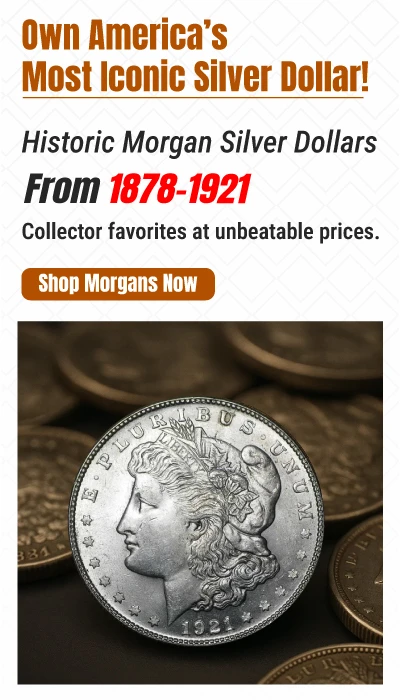
If you want an approachable first theme, classic United States silver dollars are a popular place to begin: Morgan Silver Dollars (struck 1878–1904 and in 1921) and Peace Silver Dollars (1921–1935) are widely available, easy to grade with practice, and carry 90% silver content, so every coin has a metal floor under its collector value.
Coin Collecting Tips: FAQ
Should I clean my coins?
No. Cleaning removes original surfaces and almost always lowers a coin's value. Leave toning and dirt alone and let a professional grader assess the coin as it is.
How should a beginner store coins?
Use inert, PVC-free capsules, tubes or albums, handle coins by the edge, and keep them in a dry, stable environment.
What should I record in a coin catalog?
Purchase date, price and source; country, year, mint mark, denomination and variety; grade and grading service if certified; and where the coin is stored.
Is coin collecting a good investment?
Collect first for enjoyment. Bullion-grade coins follow metal prices, while rare coins depend on collector demand, so treat numismatic premiums as a long-term hold rather than a quick return.