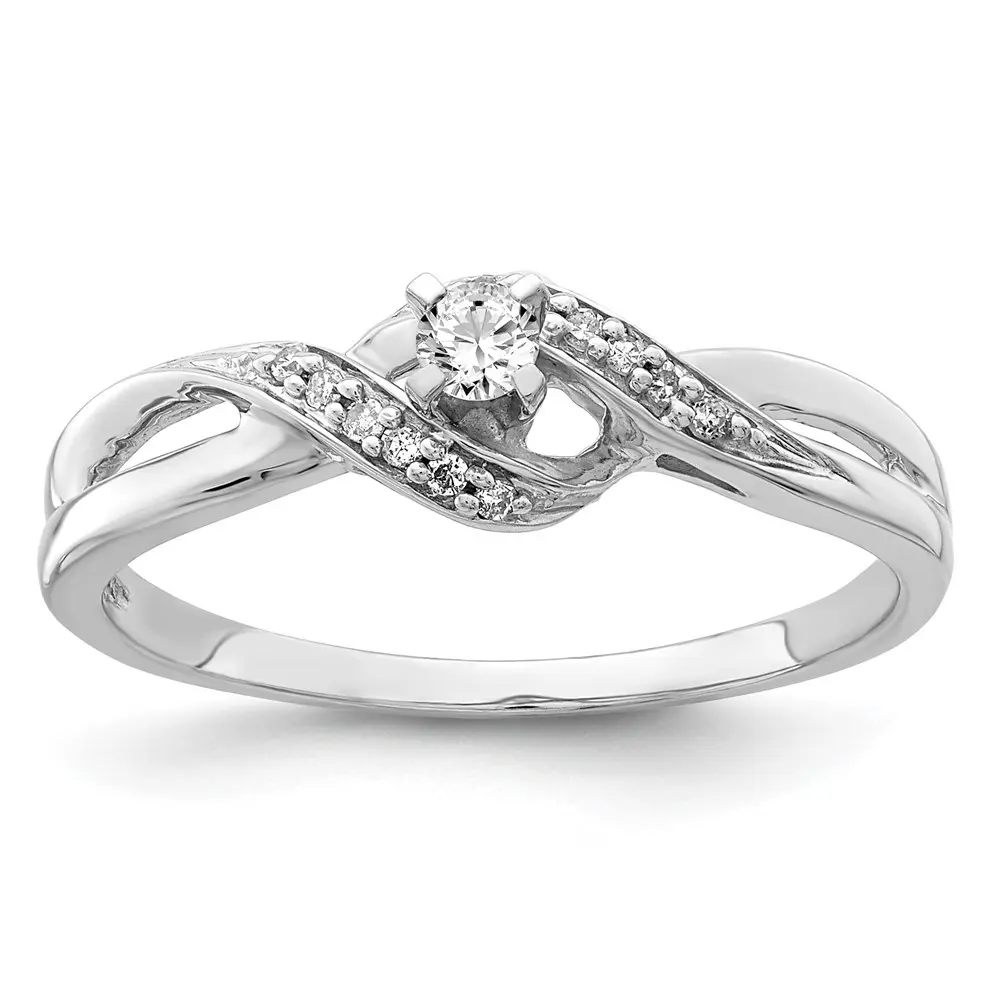
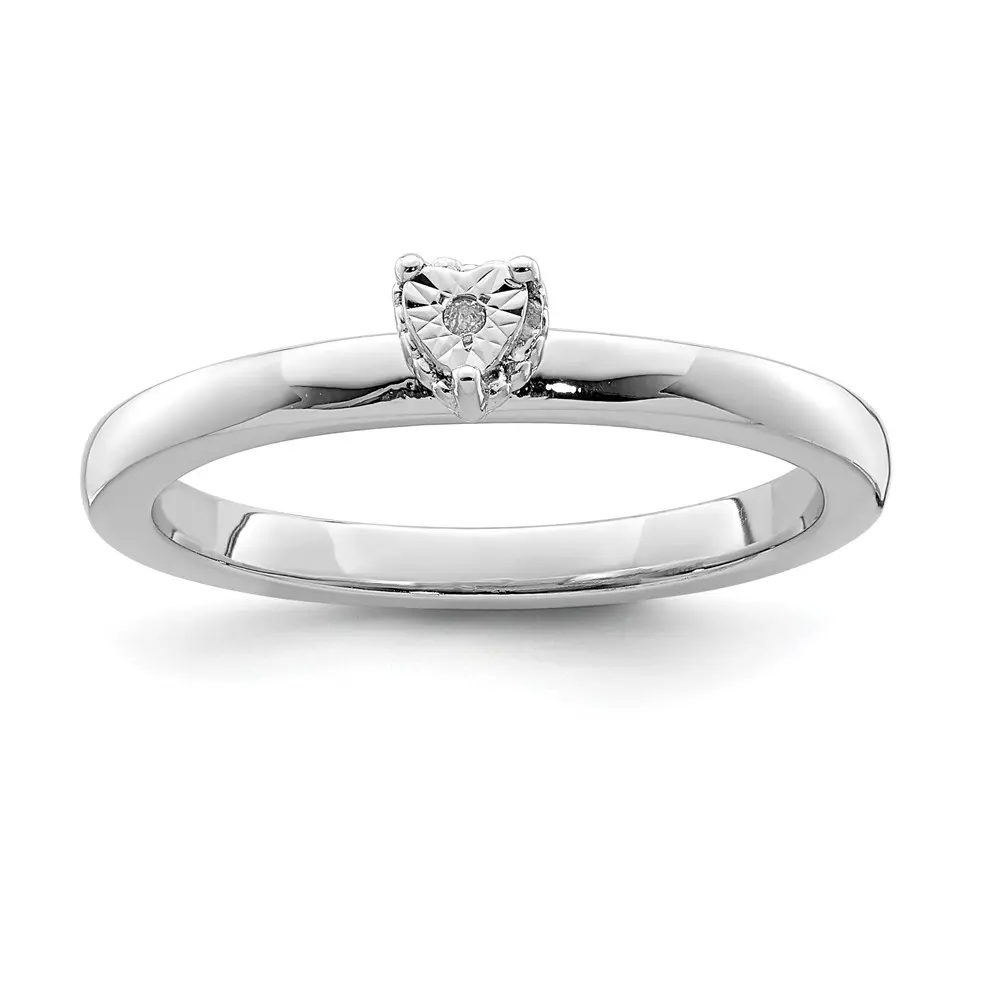
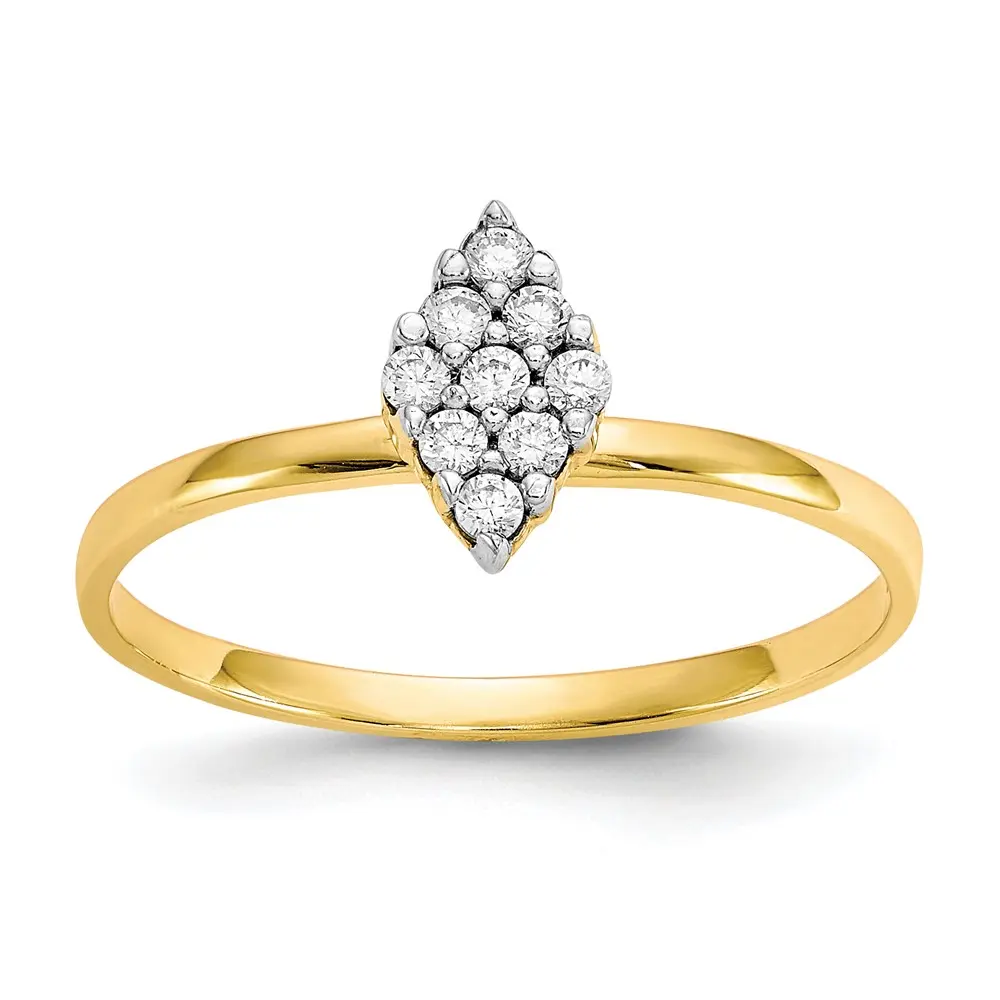
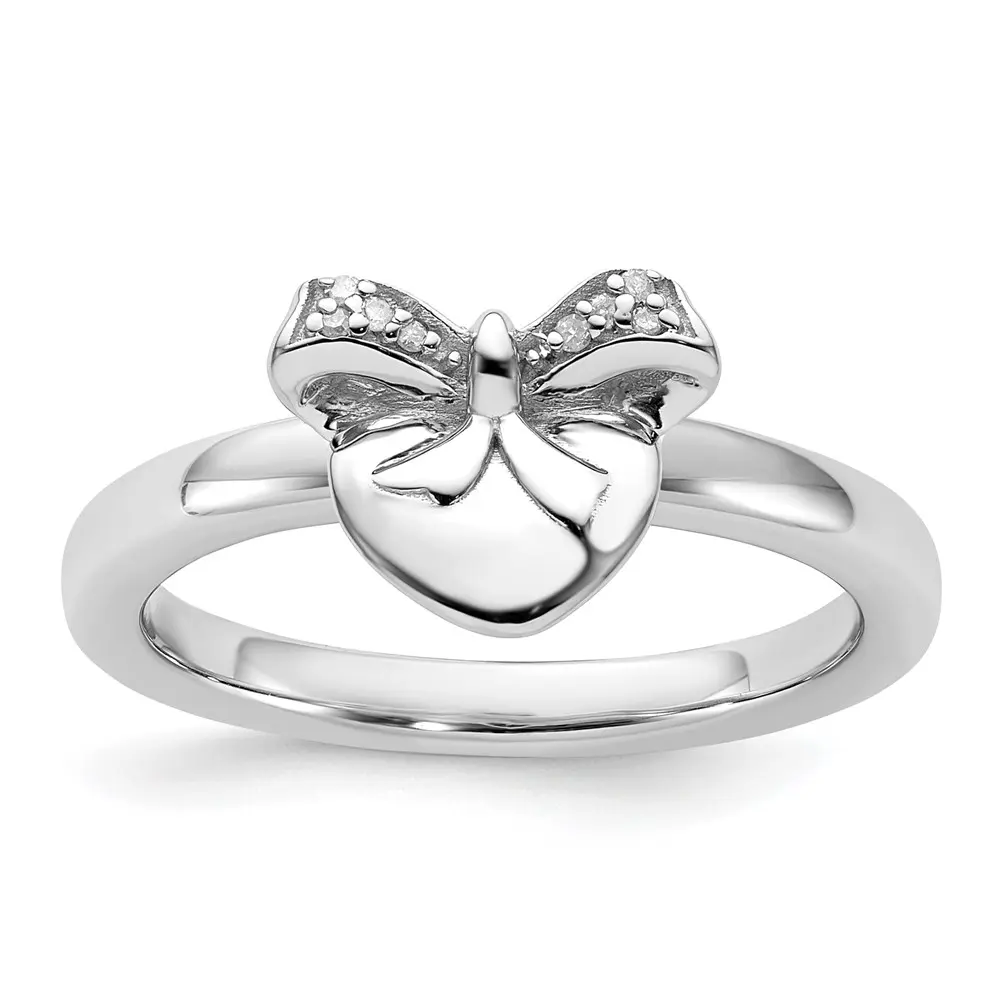
The price range for most promise rings is between $50 to $400, with most rings being purchased in the lower half of the range.
That’s a wide spread, so this guide shows what you can expect to pay for the type of ring you’re looking for.
A promise ring is a ring given as a symbol of love, commitment and loyalty. In a relationship, it often works as a pre-engagement ring: a promise to stay together and, for many, to marry later. Promise rings are not only romantic. Friends exchange them before a long-distance move, and parents sometimes give them to children as a symbol of a special bond (also known as a purity ring).
Exchanging rings as a pledge goes back to ancient Rome, where a bride-to-be wore a ring as a promise to marry. In 16th-century England, “posy rings” were engraved with short verses of love. The Victorians added acrostic rings, where the first letters of the gemstones spelled words like “DEAREST”. Today’s promise ring carries the same idea: a visible promise between two people.
There is no fixed moment. Common times are a relationship milestone, an anniversary, a long-distance move, or a child leaving for college.
Many people wear a promise ring on the right ring finger, so it isn’t mistaken for an engagement ring. Others choose the left ring finger, any other finger, or a chain worn as a pendant. See Which Finger Should You Wear a Ring On? for the full guide.
Give a promise ring only when the commitment is real, and explain what it means to you when you give it. Both people should understand whether it is a step toward engagement or a promise of a different kind.
The metal is the single biggest factor, ahead of the stone in most cases.
Metal | Typical promise ring range |
|---|---|
Sterling silver | $30 – $120 |
Gold-plated / vermeil | $40 – $150 |
10k gold | $130 – $350 |
14k gold | $180 – $500 |
18k gold | $250 – $700 |
Platinum | $400 – $1,000+ |
Most promise rings go to Sterling silver, and nothing can be said against that: it is a real precious metal, hallmarked for genuine intrinsic value. It does tarnish and will require some polishing from time to time.
Gold-plated and vermeil are similar to gold at silver prices, but one exception is that the plating fades. Vermeil (a thicker gold finish over sterling silver) will last a lot longer than a normal plating on a ring worn every day, yet it is not permanent.
The price really begins to go up where solid gold is available. The practical sweet spot is 14k — it’s tough enough to wear every day and warm in color, and is about 58% pure gold. The 18k has a deeper, darker tone, but is more prone to scratching.
Stone | Effect on price |
|---|---|
No stone (plain band) | Baseline — lowest cost |
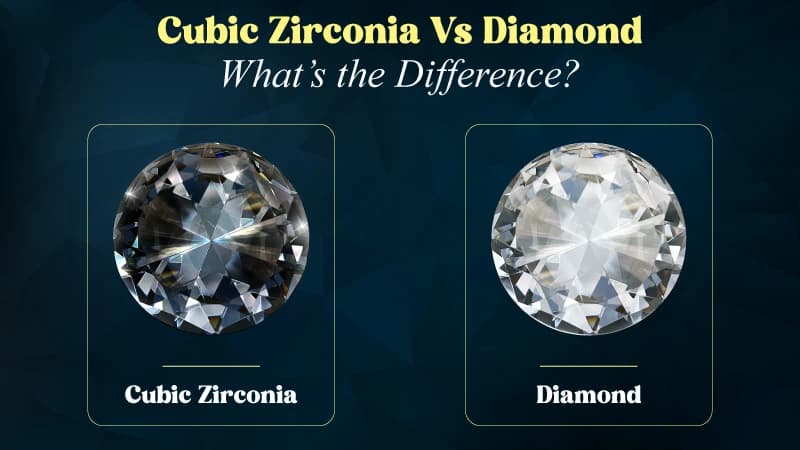
Cubic zirconia | Adds $10 – $40 |
Moissanite | Adds $150 – $600 |
Small natural diamond accents | Adds $100 – $500 |
Lab-grown diamond | Adds $200 – $800 |
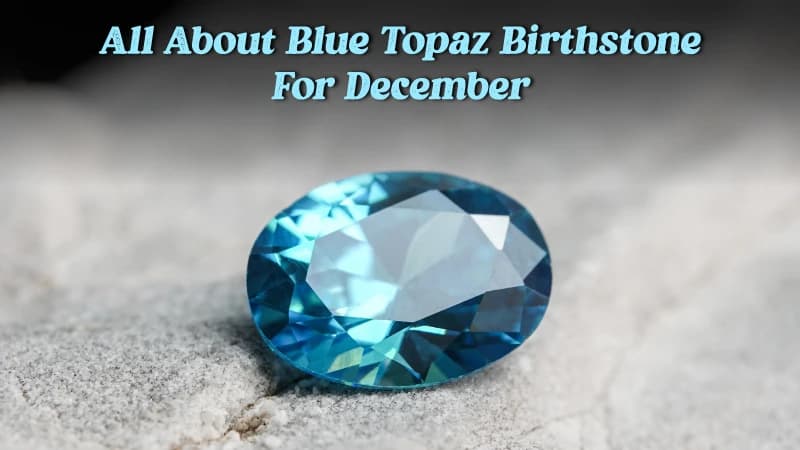
Coloured gemstone (garnet, amethyst, topaz) | Adds $30 – $200 |
A plain band is the most common promise ring of all, and often the most elegant. It also ages best — there’s nothing to loosen or cloud.
Cubic zirconia gives you the diamond look for very little. It won’t last indefinitely — CZ is softer than diamond and gradually abrades and clouds with wear — but for a ring that may later be replaced by an engagement ring, that’s a reasonable trade.
Moissanite costs substantially more but is nearly as hard as diamond and holds its brilliance permanently. If the ring is meant to be worn for years, it’s better value than it first appears.
There’s no convention here, and that’s genuinely freeing.
You may have heard the “two months’ salary” guideline for engagement rings. That figure originated in a De Beers advertising campaign, not a tradition — it was invented to sell diamonds. It doesn’t apply to engagement rings and certainly doesn’t apply to promise rings.
A more useful way to think about it:
The last point deserves expanding, because it’s the practical trap. If you’re spending enough that the promise ring looks like an engagement ring, it may create an expectation you didn’t intend — or make a future engagement ring feel like a smaller gesture by comparison. Many people deliberately keep the promise ring simpler for exactly this reason.
The difference is meaning, not materials. Nothing about a ring’s construction makes it one or the other.
Promise Ring | Engagement Ring | |
|---|---|---|
What it signals | Commitment, intention, a milestone | Intent to marry, formally |
Typical spend | $50 – $400 | Considerably higher |
Usual finger | Any — often right ring finger | Left ring finger in the UK, US, and much of Western Europe |
Design | Often plain or a small stone | Usually a prominent centre stone |
Given when | At any point in a relationship | At proposal |
The real difference couples apply is that a promise ring is worn on the right hand or on another finger, just not on the finger that a ring is put on when the engagement is announced. A ring on the left ring finger will usually be read as an engagement ring, whatever you meant by it.
Promise rings are also given outside of romantic relations — between friends, from parent to child, or as an individual’s commitment to themselves. Any ring can carry that meaning.
So, if you’re comparing the two, our engagement rings are in a different league and can be compared side by side.


Affiliations


Copyright BOLD Precious Metals 2026