The majority of persons asking this question have already purchased the ring. It's in its box and there's an unfamiliarity about it: Is there a rule here? Will it be wrong if I get it wrong?
The short answer is there's one convention that really counts, and all else is open. This is what each finger has traditionally been used for, when it is appropriate to do so, and (which each guide neglects to mention) which finger will protect your ring.
In most of Western Europe, North America, and the UK, an engagement or wedding ring goes on the ring finger of the left hand. That convention is strong enough that wearing a prominent ring there will be read as "married or engaged," whether you intend it or not.
Everything else is preference.
Worth knowing: that convention isn't universal. In Germany, Russia, Norway, Denmark, Poland, Bulgaria, Ukraine, Greece, India, and Spain, wedding rings are commonly worn on the right hand. So if you've seen conflicting advice online, both sources were probably right about different places.
In the Roman belief, there was a vein that connected the fourth finger of the left hand to the heart. That's why the ring was placed there — it was called the vena amoris, the vein of love.
It isn't anatomically true. No special vessel, each finger venous return is the same. However, the belief really is the source of a tradition that has existed for about two millennia, something reasonable to appreciate given the knowledge of how it is incorrect.
These associations come from a mix of Greek and Roman symbolism, palmistry, and later European custom. They aren't rules, but they're the reason certain fingers feel right for certain rings.
Associated with willpower and self-assertion. Thumb rings tend to be broad and read as confident rather than decorative — historically they signalled wealth or influence, partly because a thumb ring needs more metal than any other.
Practical note: thumb rings shift and rotate more than any other placement, because the thumb moves independently of the rest of the hand.
Traditionally the finger of leadership and authority. This is where signet rings, papal rings, and family crests were worn — a ring meant to be seen when the hand gestures, points, or is offered.
If you want a ring noticed, this is the most visible finger after the thumb.
Associated with balance and responsibility. It's also the longest and most central finger, which makes it the least common choice — a ring there sits between two neighbours and can crowd them.
Good for a single statement ring worn alone. Awkward for stacking.
Love and commitment, for the reasons above. On the left hand it's read as marital status. On the right hand, the same finger is a genuinely good place for a ring you want to wear daily without that association — which makes it the most useful answer to the birthstone question below.
Historically the finger of professional identity and personal expression. In Britain, a family crest signet ring is traditionally worn on the left pinky. In Canada, engineers wear an iron ring on the pinky of their working hand.
It's also the most practical finger for a ring you want to wear alongside a wedding set without visual competition.
Unlike other jewelry, birthstone rings do not have a traditional rule; that's why you may see a lot of conflicting information about birthstone rings. The truth is, you can make the choice; though three factors make it easier.
The ring finger is the best default of the right hand. It's a relaxed and natural stone ring positioning and doesn't leave the left hand ring finger misread.
Don't place the birthstone on the left ring finger to avoid any rivalry with the wedding band. You can use your right ring finger or right index finger.
Index finger. A birthstone is a colour statement, and the index finger demonstrates colour more effectively than any other position as it is the most natural position and has the most natural movement of the hand.
If you're just starting to look for a stone, check out our birthstone rings; each month has its own page.
Shop Birthstone RingsThis matters more than symbolism, and almost nobody mentions it.
Gemstones vary enormously in how well they survive daily wear. The Mohs scale measures scratch resistance from 1 to 10:
| Stone | Mohs Hardness | Daily Wear |
|---|---|---|
| Diamond | 10 | Excellent |
| Moissanite | 9.25 | Excellent |
| Sapphire, Ruby | 9 | Excellent |
| Topaz | 8 | Very good |
| Emerald | 7.5–8 | Good, but brittle |
| Amethyst, Citrine | 7 | Good |
| Peridot | 6.5–7 | Moderate |
| Opal | 5.5–6.5 | Delicate |
| Pearl | 2.5–4.5 | Very delicate |
You're using your dominant hand much more — door handles, keyboards, steering wheels, bags. If you were born in October with your birthstone being opal, June with your birthstone being pearl or May with your birthstone being emerald, then put it on your non-dominant hand. One exception to this is a specific warning for Emerald – at 7.5-8, it is hard enough, but emeralds are usually quite full of inclusions and are liable to be chipped even with a knock as long as they do not scratch.
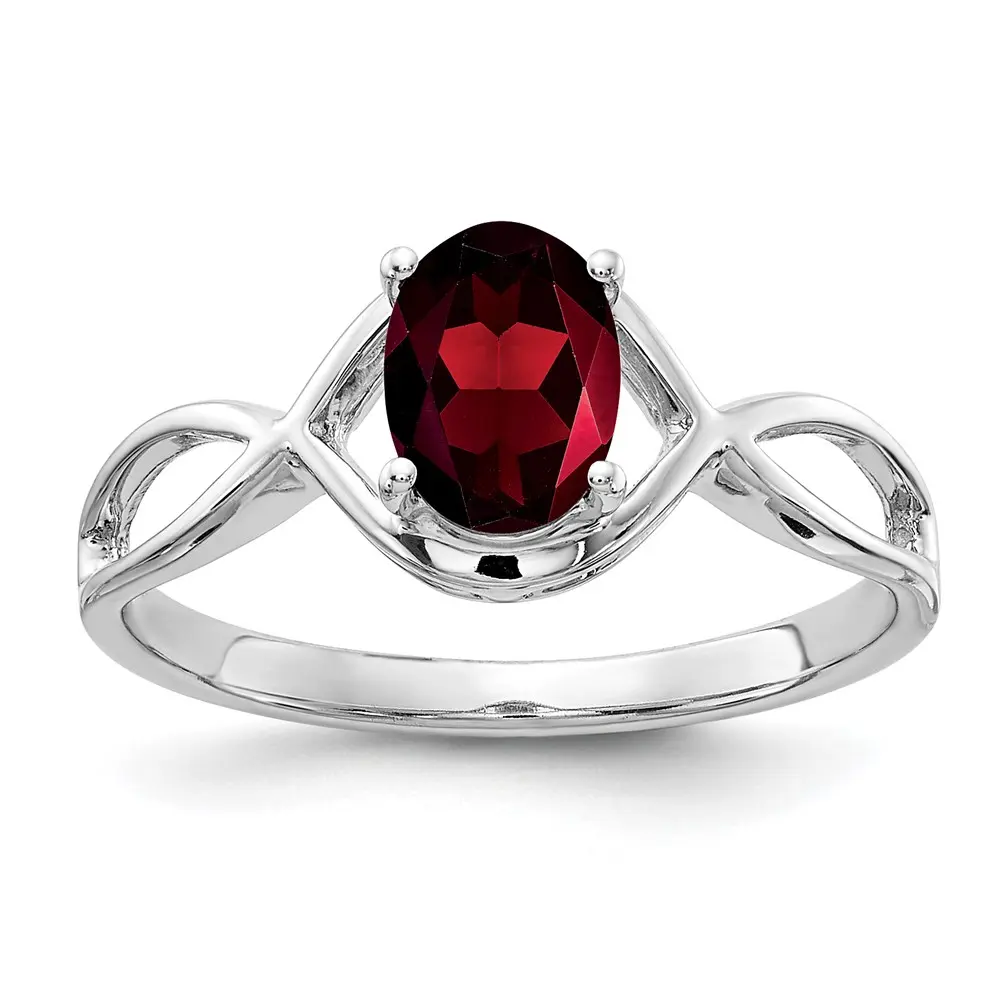
These stones all work beautifully as daily wear jewels in either hand—garnet (January), amethyst (February), aquamarine (March), diamond (April), ruby (July), sapphire (September), and topaz (November).
Setting tip: Soft birthstones that need to be worn every day are best set in a bezel (where the metal encloses the edge of the stone) than in prongs.
Beyond the marriage convention, three practical factors:
Metal thins, prongs loosen, softer stones abrade. If a ring matters to you, the non-dominant hand extends its life meaningfully.
Often by a quarter to a half size. If you're buying without trying it on, this is worth knowing.
Most people's fingers are smallest in the morning and in cold weather, largest in the evening and in heat. Measure mid-afternoon at normal room temperature for the most representative size.
Yes, and stacking is genuinely popular — but two things help it work.
Keep the metals consistent or deliberately contrasting; a near-match reads as a mistake, while a clear contrast reads as a choice. And leave your index and middle fingers less crowded than the others, since rings there interfere with each other more.
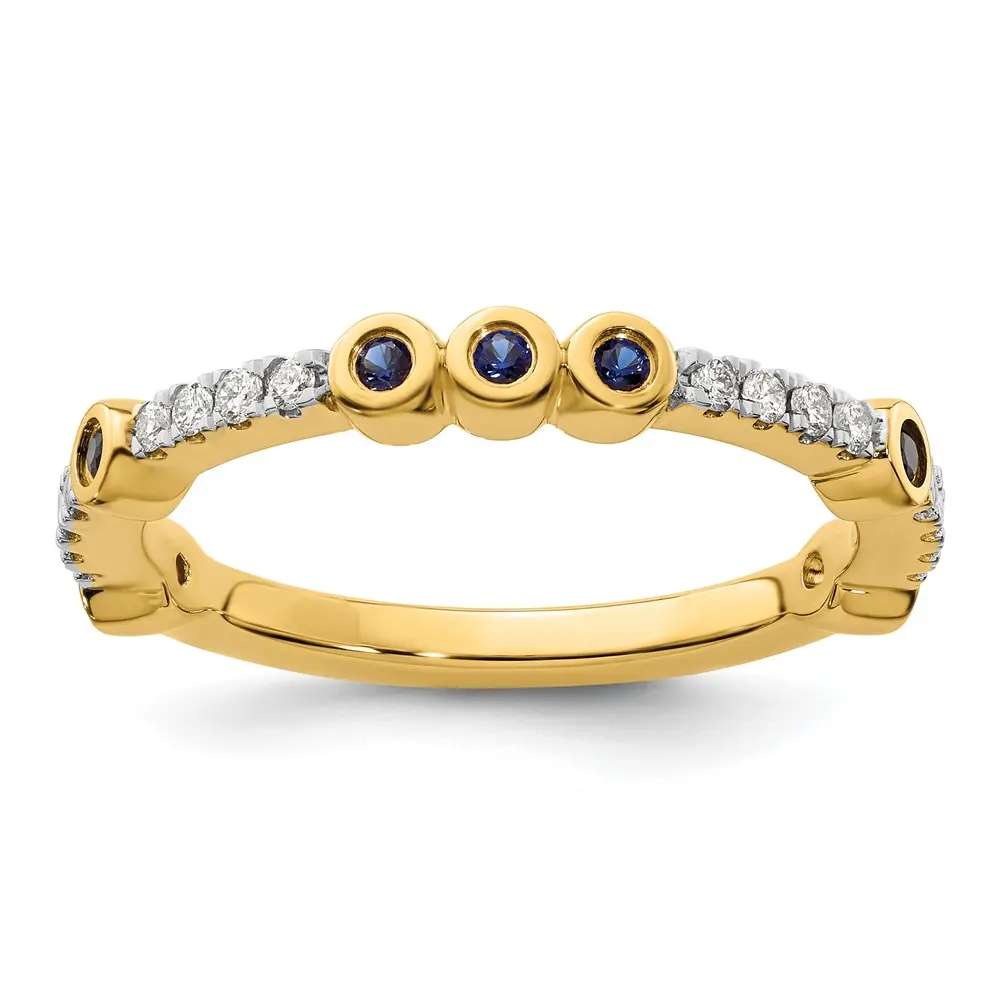
Thin bands stack comfortably. Anything with a raised stone will catch on its neighbour.
If you don't want to give a message of marital status, only the left ring finger. Otherwise it is all preference.
The index and ring fingers are the most flattering for most hands as they are proportioned closest to average ring designs.
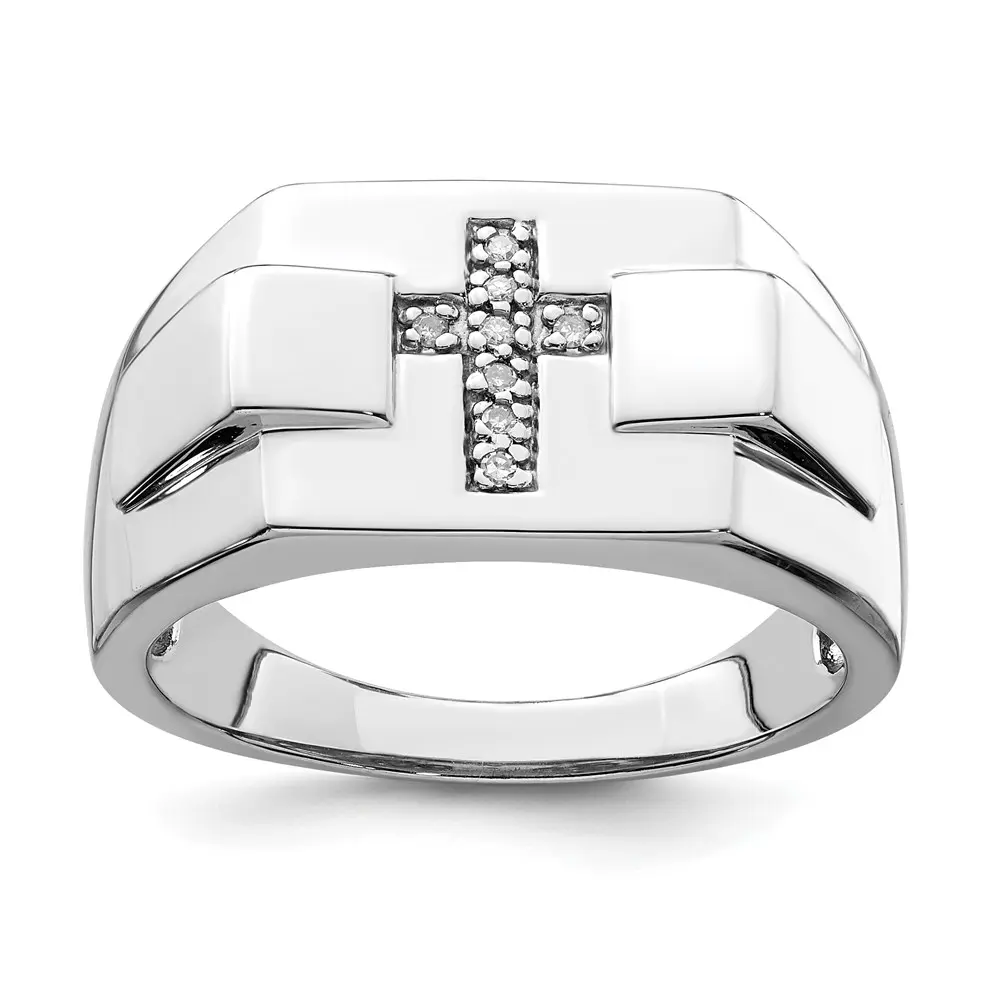
There is no difference apart from the wedding convention. A signet ring is a long standing tradition for men, to wear on the pinky or index finger — check out our men's rings for that style!
It depends on what stone it is. Yes, sapphire, ruby, diamond, garnet, amethyst and topaz. Use opal, pearl and emerald sparingly; or in a protective setting like a bezel.


Affiliations


Copyright BOLD Precious Metals 2026