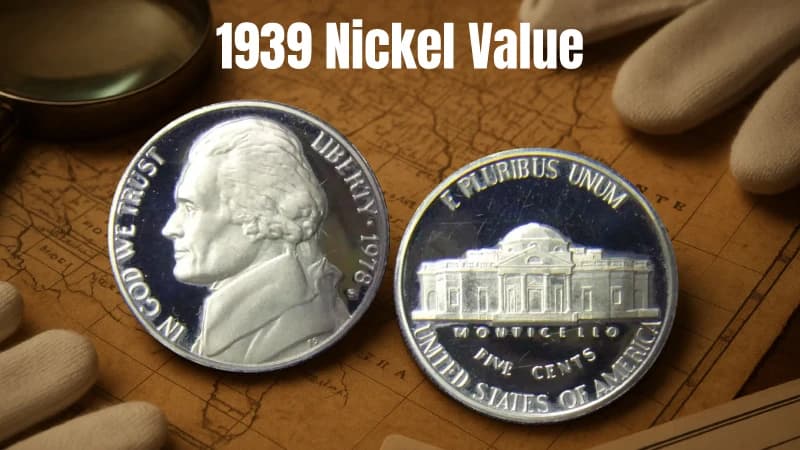
The 1939 Nickel is a numismatist's rare find, offering both investment value
and historical value, making it a great coin for collectors to purchase.
Whether you are an old numismatist or a new one who's just starting out,
knowing the value of a 1939 nickel will enable you to make a knowledgeable
decision in case you sell or buy this early Jefferson Nickel mintage.
In this guide, we will discuss everything that you need to know concerning the
1939 Nickel Value, including the different factors that affect its value, the
main blunders to steer clear of, as well as professional coin grading tips to verify your find.
What is the 1939 Nickel?
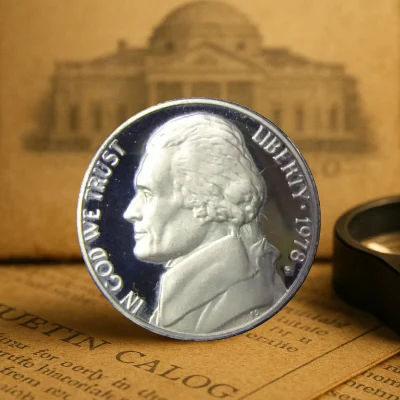
The 1939 Nickel is one of the coins in the Jefferson Nickel series,
introduced in 1938 to replace the venerable Buffalo Nickel. The coin
features the design of Felix Schlag with the portrait of Thomas Jefferson,
the third president of the United States, on the obverse and his
residence, Monticello, on the reverse. The 1939 Nickel was minted at a
critical point in the history of the United States, just before the start
of World War II.
Although not as well-known as some of the other coins in the series, the
1939 coin remains a highly sought-after coin among investors and
collectors looking to buy
Jefferson Nickels
online.
1939 Nickel Value in Circulated vs Uncirculated
Condition
The worth of a 1939 Nickel will significantly depend on its grade. As of April 2026, market demand for "Full Steps" (FS) specimens has seen a notable uptick.
Circulated 1939 Nickel Value
A circulated 1939 Nickel, or a coin that has been used regularly, will be
worth less than an uncirculated coin because it wears out as it is used. It's
still worth something for its historical significance and worth over its face
value, though.
-
Good Condition (G-4): A 1939 Nickel in good
condition currently ranges from $0.25 to $1.50.
-
Fine Condition (F-12): A fine nickel typically ranges
between $2 and $5, depending on the clarity of Monticello’s pillars.
-
Very Fine (VF-20): A very fine 1939 nickel is
worth between $6 and $14. Recent 2026 auction data shows that even circulated specimens with "Reverse of 1940" hubs are drawing higher bids.
Uncirculated 1939 Nickel Value
Uncirculated 1939 Nickels, which have never been used in commerce previously,
are extremely valuable.
-
MS-60 to MS-63: The coin in uncirculated form
could be worth between $15 and $30.
-
MS-64 to MS-65: Higher-end uncirculated 1939
Nickels can sell for $40 to $125.
-
MS-66 and Above: MS-66 and above coins are
top-notch. A high-tier auction in early 2026 saw a 1939 Philadelphia nickel reach a record **$185,000** for a virtually flawless specimen.
Key Errors and Varieties to Look for in 1939 Nickels
One of the best parts about collecting 1939 Nickels is the potential for
discovering error or variety coins.
Double Die Errors ("Double Monticello")
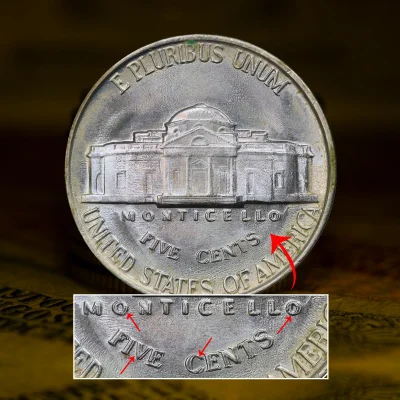
The 1939 Doubled Die Reverse (DDR) is a major variety. Look for clear doubling on the word "MONTICELLO" and "FIVE CENTS."
-
Value: In 2026, a 1939 "Double Monticello" error can range from $200 in VF condition to over $2,500 in Mint State.
Off-Center Strikes
Off-center strikes occur when the planchet is not properly aligned with the dies. The more of the design that is missing (while retaining the date), the higher the value.
-
Value: These can be sold for anything
from $100 to $1,000 or more based on the 2026 collector demand.
Repunched Mint Marks (RPM)
Found primarily on Denver (D) and San Francisco (S) issues, these were created when the mint mark was overstamped.
-
Value: Clear RPM errors on 1939 nickels are currently fetching $50 to $300 at auction.
These varieties are great finds when investing in
rare U.S. coins.
1939 Buffalo Nickel Value: Comparison to Jefferson
Nickels
While the official mintage of the Buffalo Nickel stopped in 1938, many collectors compare the 1939 Jefferson Nickel to the final year of the previous design.
-
Buffalo Nickel: A solid 1938 Buffalo Nickel is worth significantly more in high grades.
-
1939 Jefferson Nickel: Based on grade and hub variety (Reverse of 1938 vs 1940), these can range from a few cents to thousands.
The 1939 Jefferson Nickel is also made more valuable by its historical
background and is a sought-after piece of
U.S. coins.
Authentication and Grading Tips for 1939 Nickels
Authentication Tips
-
Observe Mint Mark Placement: The mint mark is on the reverse, to the right of Monticello. In 1939, Denver (D) and San Francisco (S) were the only branch mints.
-
Weight and Composition: An authentic 1939 Nickel must weigh 5 grams and be composed of 75% copper and 25% nickel.
Grading Tips
-
The "Full Steps" Criteria: To reach peak 1939 Jefferson Nickel value, look at the steps of Monticello. If you can see five or six clear, unmarred steps, the coin is a "Full Steps" (FS) specimen and worth a massive premium.
-
Luster vs. Cleaning: Never clean your coin. An original uncirculated 1939 Nickel should have a soft, cartwheel luster.
Tips for Collecting and Investing in 1939 Nickels
Investment Tips
-
Prioritize "Reverse of 1940": In 1939, the mint sharpened the design mid-year. Coins with the sharpened "Reverse of 1940" design (identified by straight, crisp steps) are often more desirable in high grades.
-
Diversify Your Portfolio: While 1939 Nickels are sound, consider adding gold and silver coins for a balanced precious metals investment.
Shop Jefferson Nickels online only from trustworthy
sources. Many investors also consider silver rounds as an accessible way to add silver to their holdings.
Conclusion: Is a 1939 Nickel a Good Investment?
The 1939 Nickel remains a cornerstone of early 20th-century American coinage. With recent 2026 auction records demonstrating that top-tier specimens can reach the six-figure range, now is an excellent time to evaluate your collection for rare hub varieties and "Full Steps" designations.